Best Forklift Options for Logistics Companies is a practical guide for freight and logistics operators comparing forklifts for loading, staging, and dispatch work. The easiest way to make a better forklift decision is to start with the application, and this article looks at the right mix usually depends on whether the site is dock-heavy, yard-based, warehouse-focused, or a bit of all three.
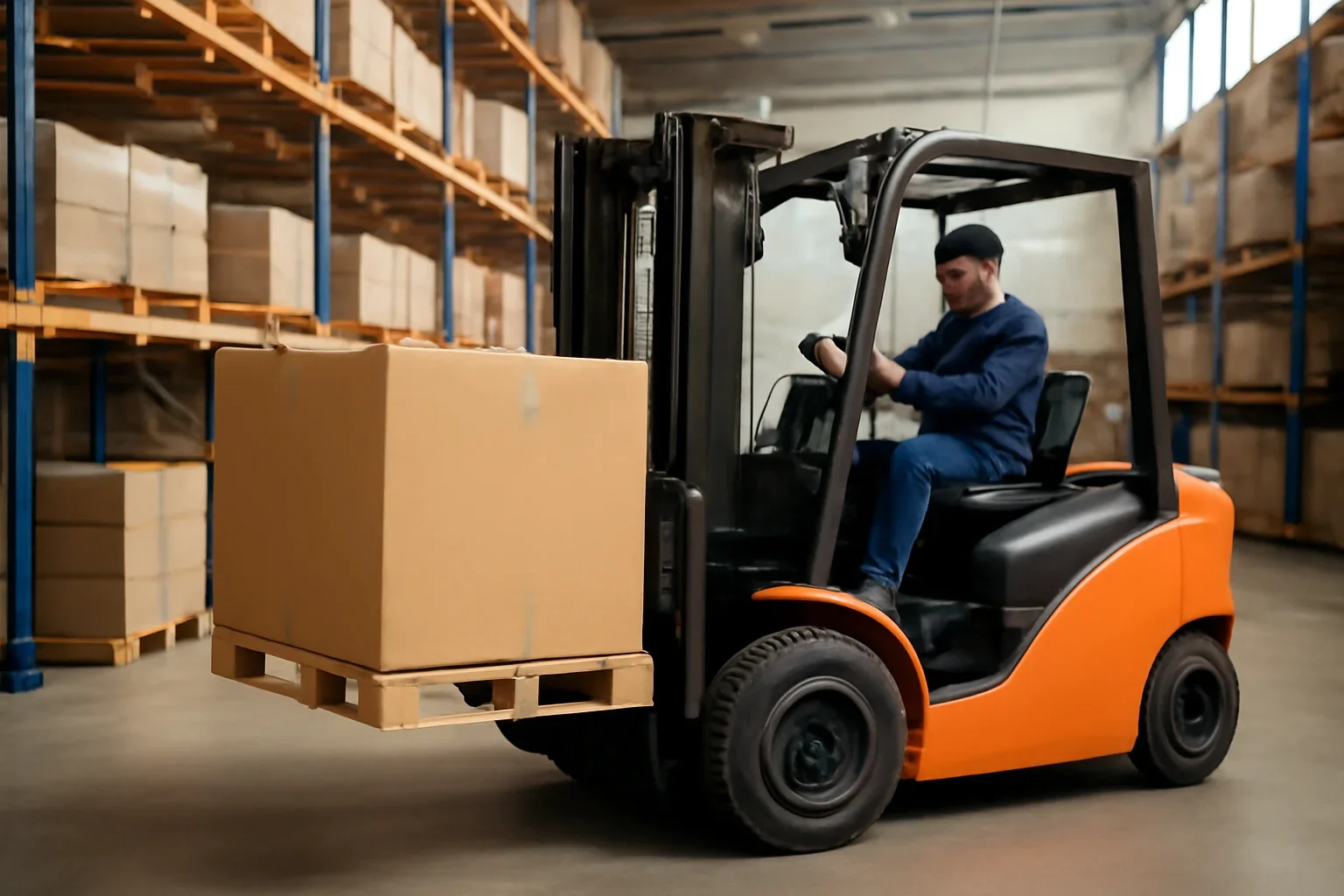
The right mix usually depends on whether the site is dock-heavy, yard-based, warehouse-focused, or a bit of all three.
That matters because forklift choices are usually only clear once the site, the load, the duration, and the operating environment are taken into account together.
When buyers skip these basics, they often compare equipment on the wrong basis and end up with a setup that feels less efficient once the work actually starts.
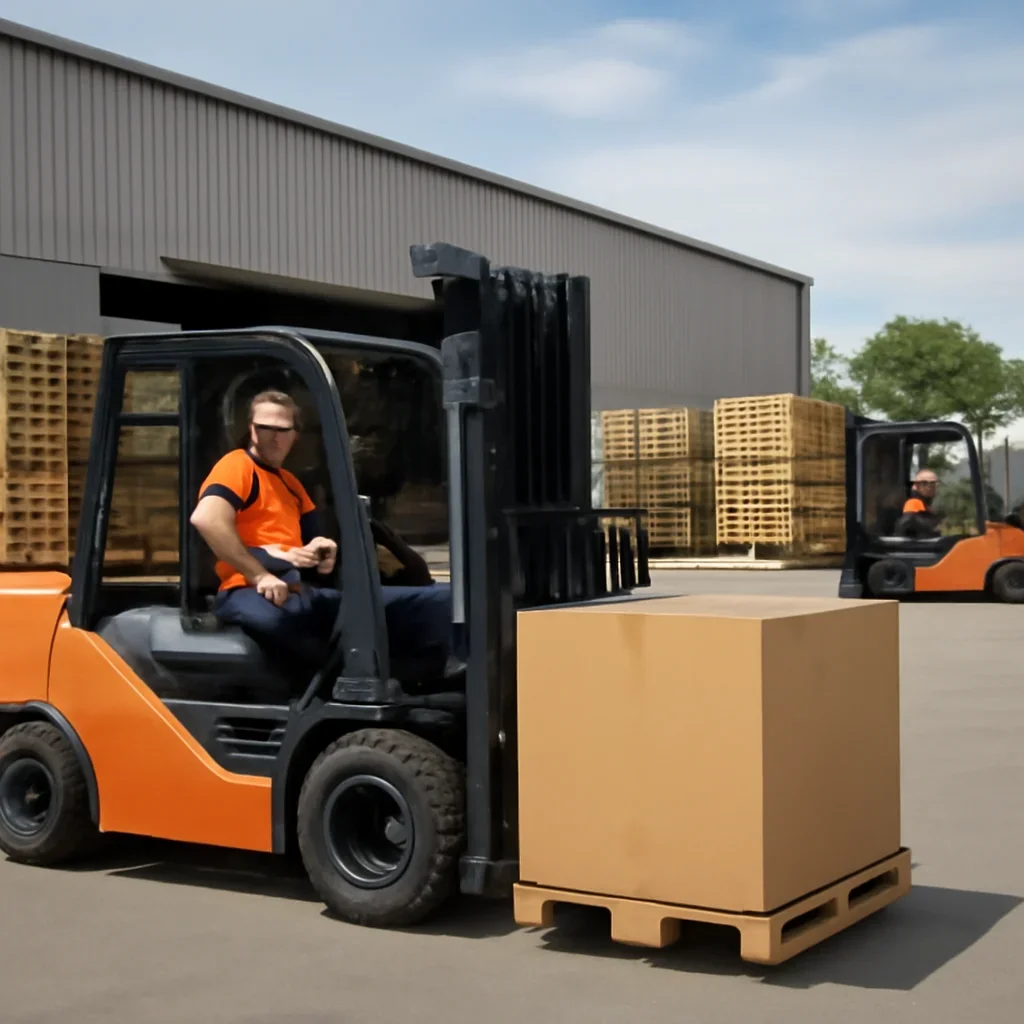
The best unit is the one that suits the workflow, not just the one that sounds familiar.
A clearer brief usually leads to a more useful quote and fewer delays during planning.
Delivery, service, and extensions become easier to manage when the original setup matches the job.
Useful next pages
Dock work and yard work often need different units.
No. It is designed to help you ask better questions before using the rental quote page or speaking with our team.
The load type, approximate weight, lift height, site conditions, timeframe, and location are the most useful starting points.
If you already know the site basics, send them through and we will review the equipment direction, timing, and practical next step for the rental.