Warehouse Racking is about matching forklifts and supporting equipment to racking layouts that depend on aisle width, lift height, load stability, and efficient put-away. When the setup fits the broader process, the site usually runs with less wasted movement and fewer workarounds.
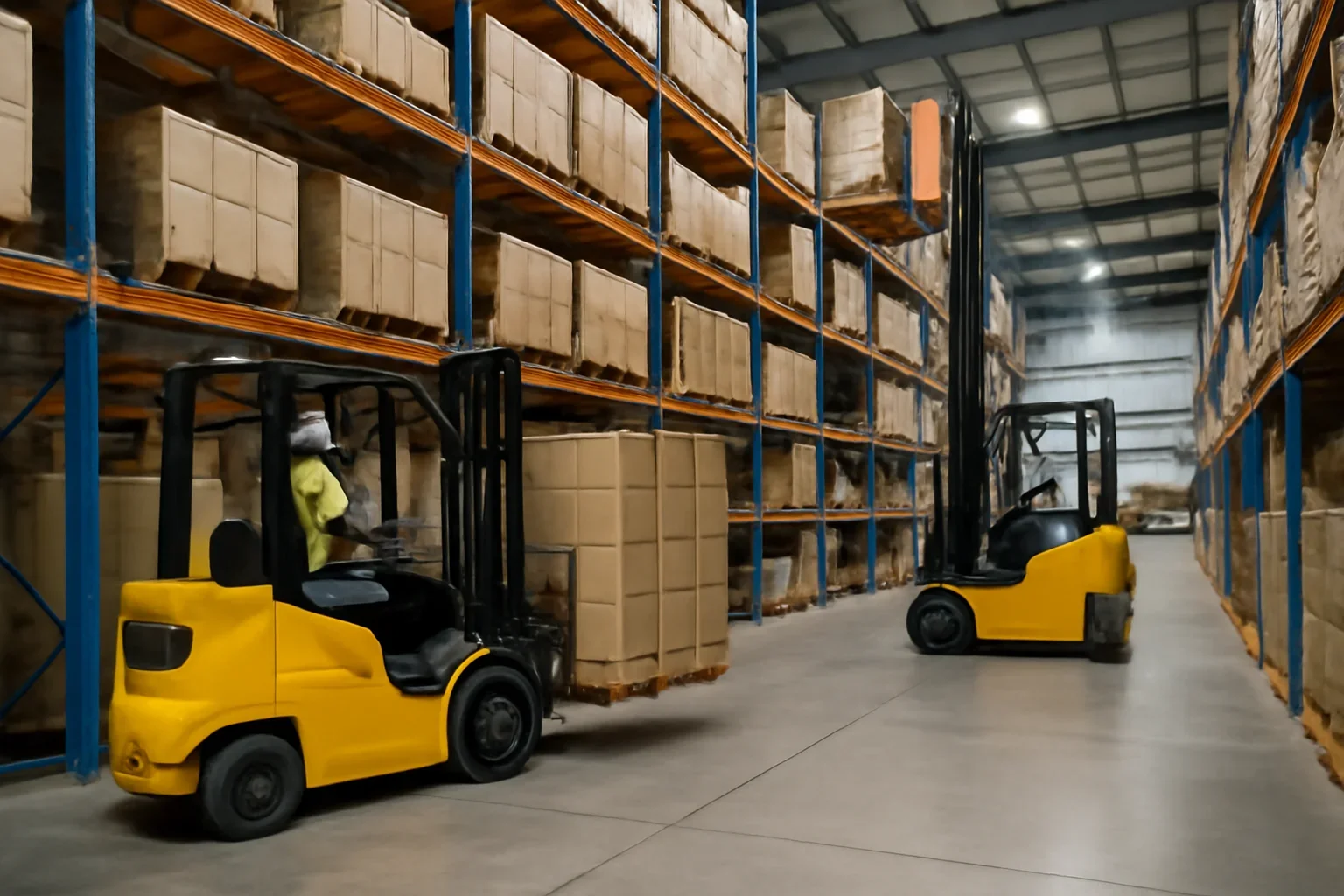
Matching the truck type to the rack design helps improve travel paths, stock access, and operator confidence.
Instead of looking at the forklift in isolation, we focus on how the unit interacts with the load, the space, and the rest of the movement process.
Related pages
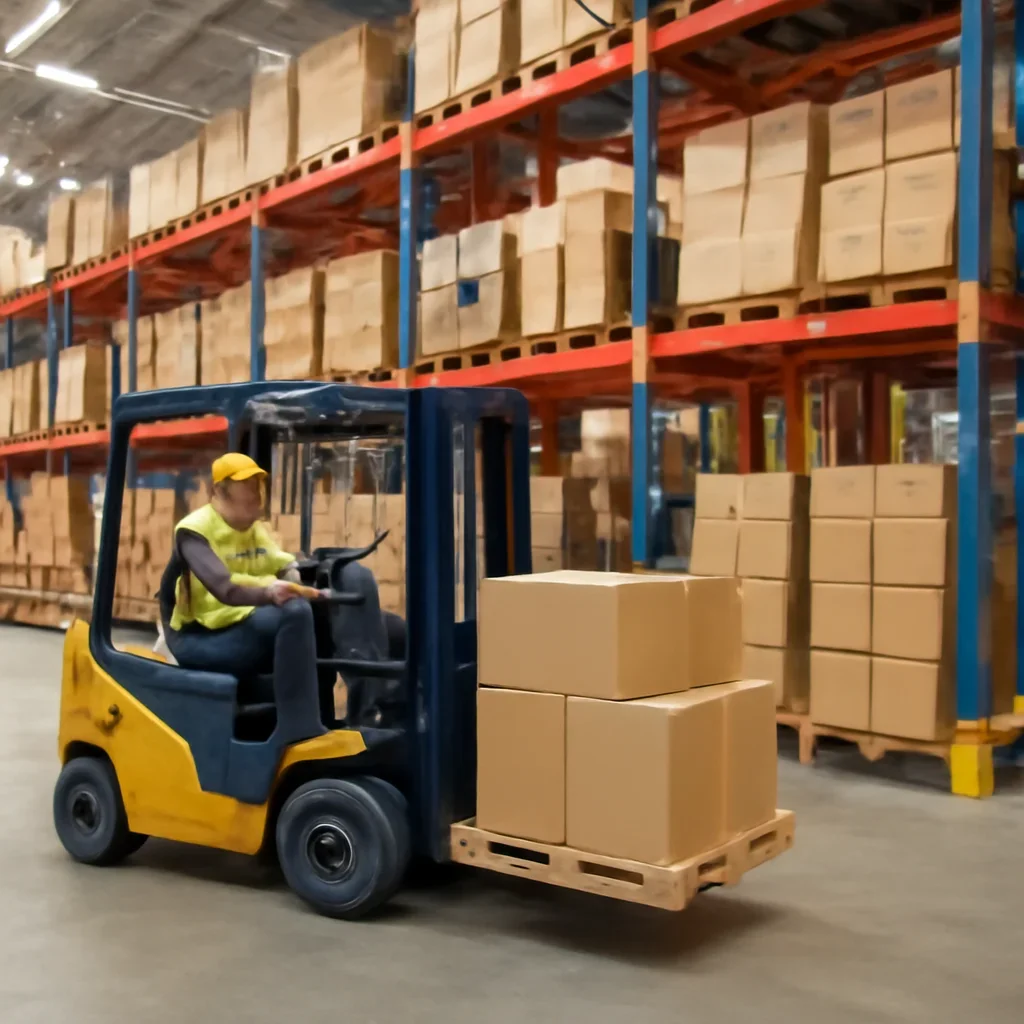
These pages are useful when you already know the forklift is only part of the answer. The goal is to create a smoother handling process, not simply rent another machine without solving the actual problem.

Only when they are matched to a real load-handling need and the base equipment is suitable for the task.
Yes. In some cases the better answer is a different unit type, a different reach profile, or a layout-based change.
Describe where the process slows down, what the load looks like, and how goods move through the site so the next recommendation is grounded in the workflow.
Share the load type, the work area, and where handling becomes awkward or slow. We will review the workflow and help point you toward a more practical rental solution.