Forklift Rental vs. Buying: How to Decide Without Overspending
Every warehouse manager eventually asks the same question: is it time to stop renting and buy a forklift? Neither option is universally better. The right decision depends on utilization, operating duration, maintenance risk, cash flow, and what the equipment will be worth when you no longer need it.
Quick answer: should you rent or buy a forklift?
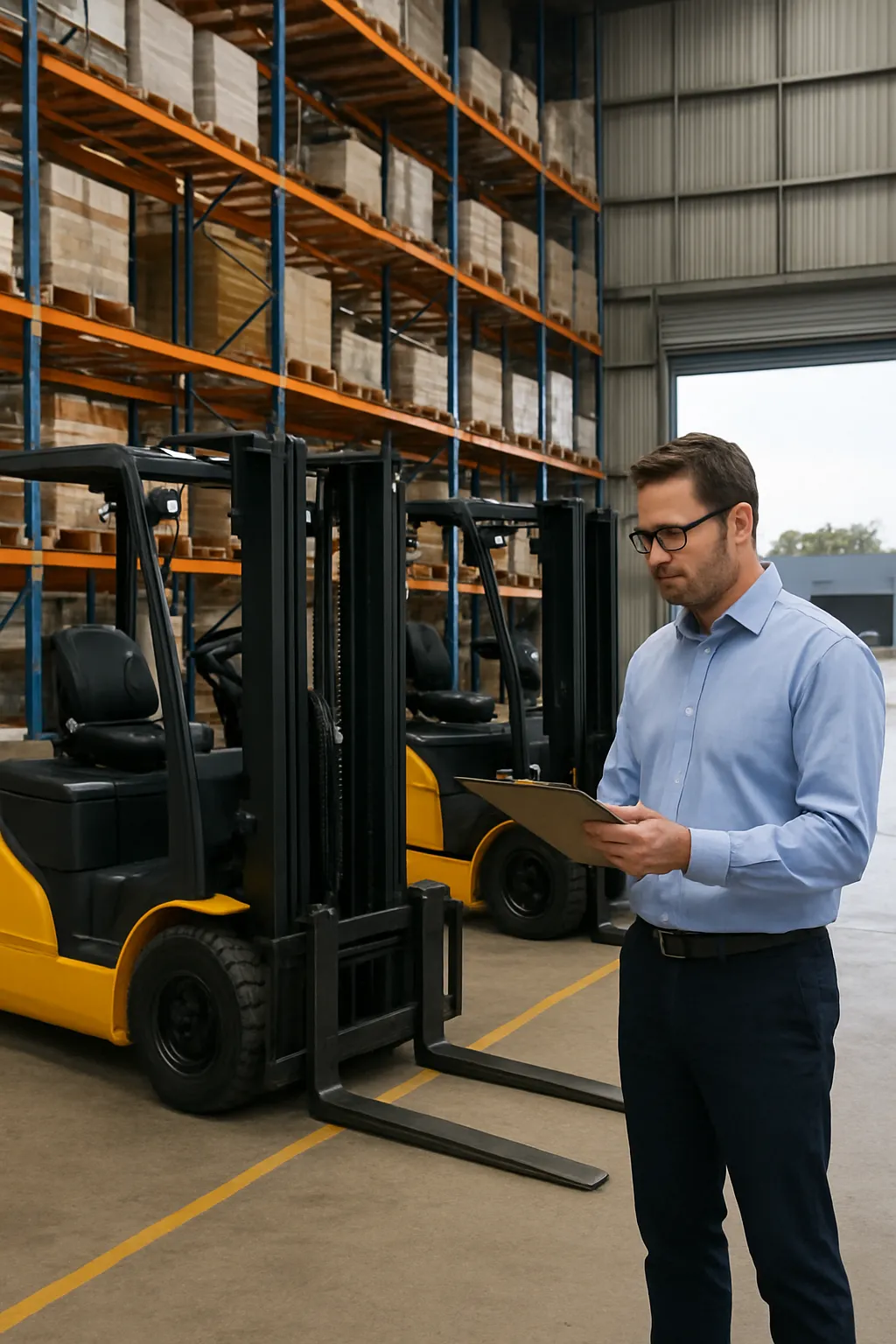
Renting is generally more practical when usage is seasonal, project-based, unpredictable, or relatively low. Buying becomes more attractive when the forklift will operate consistently for several years and the long-term ownership cost is lower than repeated rental payments.
The decision should be based on total cost and annual utilization rather than on the monthly rental rate or purchase price alone.
The Real Difference Between Renting and Buying
Buying a forklift means acquiring a depreciating asset outright or through financing. The owner is responsible for maintenance, inspections, storage, insurance, repairs, and eventually reselling or disposing of the machine.
Renting means paying for access to working equipment rather than ownership. The forklift is supplied for an agreed period, and routine service is commonly handled under the rental agreement.
The most common comparison mistake is placing the monthly rental invoice beside the purchase price without considering utilization. A forklift that sits idle for several days each week may be expensive regardless of how it was financed.
Forklift Rental vs. Buying at a Glance
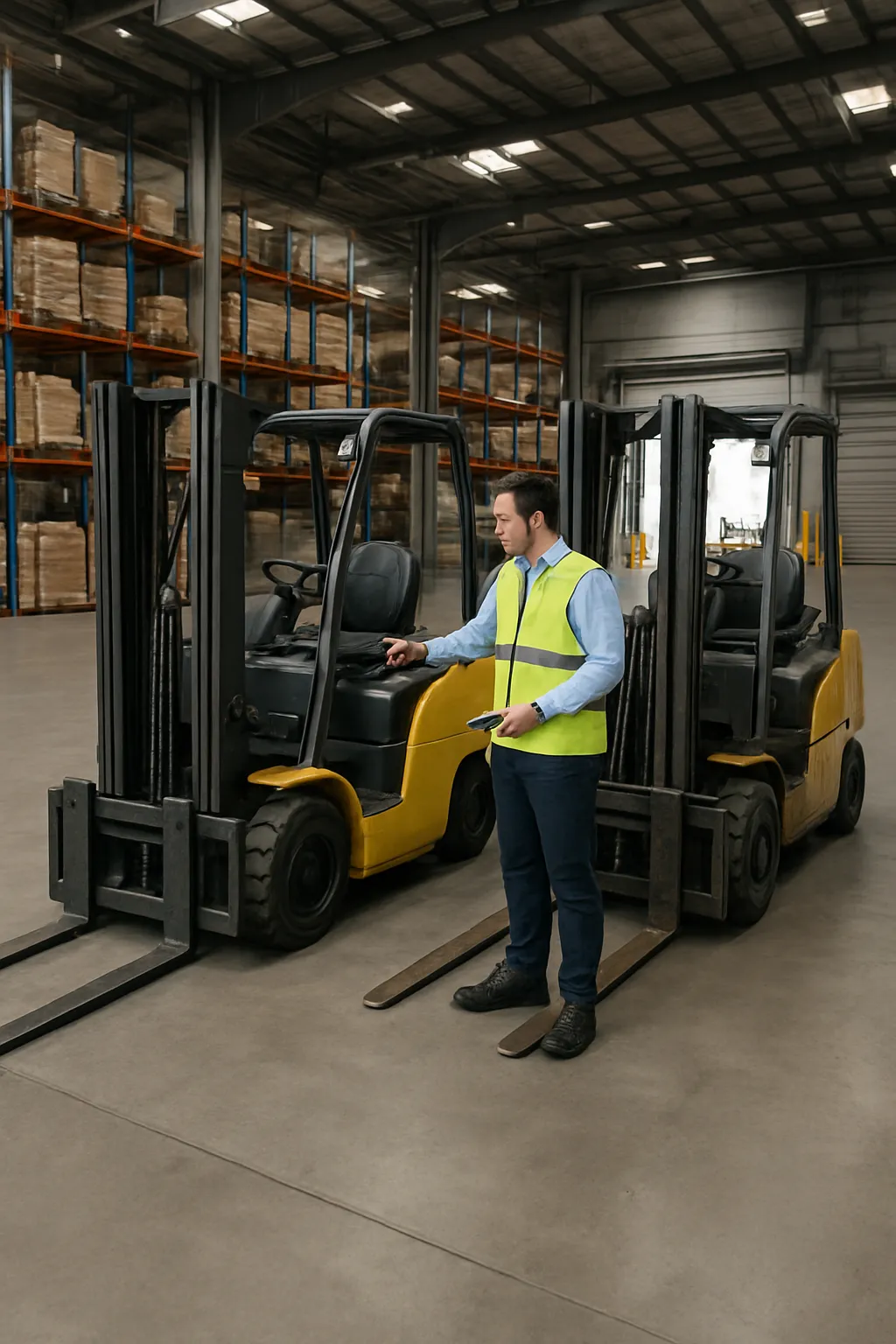
Before calculating exact costs, use this comparison to identify which option is more closely aligned with your operation.
| Decision factor | Forklift rental | Forklift purchase |
|---|---|---|
| Initial cash requirement | Usually lower because costs are spread across the rental term. | Higher upfront payment or a financing commitment is normally required. |
| Best usage pattern | Seasonal, temporary, uncertain, or project-based demand. | Regular and predictable use over several years. |
| Maintenance responsibility | Routine service is commonly included, subject to the agreement. | The owner carries maintenance, repair, and downtime risk. |
| Equipment flexibility | Equipment can often be changed as site or capacity requirements change. | Changing equipment usually requires selling, trading, or purchasing another unit. |
| Customization | Limited to equipment and attachments available from the rental fleet. | Greater freedom to add attachments, tires, safety systems, and other modifications. |
| Resale value | No resale value is created for the renter. | A maintained forklift may retain meaningful trade-in or resale value. |
| Long-term cost | Can become expensive when the unit is rented continuously for several years. | Can cost less over time when utilization is high and maintenance is controlled. |
When Renting a Forklift Makes More Financial Sense
Short-term or flexible forklift rental can protect cash flow and prevent an operation from owning equipment that is not consistently productive.
Seasonal demand
Retail, agriculture, landscaping, distribution, and other seasonal operations may need additional equipment for only a few weeks or months each year. Buying a forklift that remains unused for the rest of the year rarely produces a strong return.
Unpredictable project length
Construction, warehousing, and logistics contracts can change in duration or scope. Rental equipment allows the fleet to expand or contract without leaving the business with an unnecessary asset.
Testing equipment before purchasing
Renting a model before buying it can confirm whether its turning radius, lift height, mast, capacity, fuel type, and dimensions suit the actual work environment.
Reducing maintenance exposure
Many rental agreements include scheduled maintenance and mechanical support. This can reduce repair uncertainty and simplify equipment budgeting, although coverage should always be confirmed before signing.
Rental is also useful for temporary fleet gaps. It can provide replacement capacity while an owned forklift is being repaired or while a newly purchased unit is awaiting delivery.
When Buying a Forklift May Be the Better Move
Ownership becomes more attractive when equipment use is consistent, predictable, and expected to continue for several years.
- The forklift will operate regularly throughout the year rather than only during short periods.
- The business expects to need the same equipment class and capacity for several years.
- The operation can manage preventive maintenance, repairs, inspections, storage, and insurance.
- The forklift requires specialized attachments, tires, safety systems, or other permanent modifications.
- The business wants to retain trade-in or resale value rather than paying only for temporary access.
For Canadian equipment research, Fork Lift Truck provides additional information about forklift models, applications, fuel types, and purchasing considerations.
Do the Math Before Making the Decision
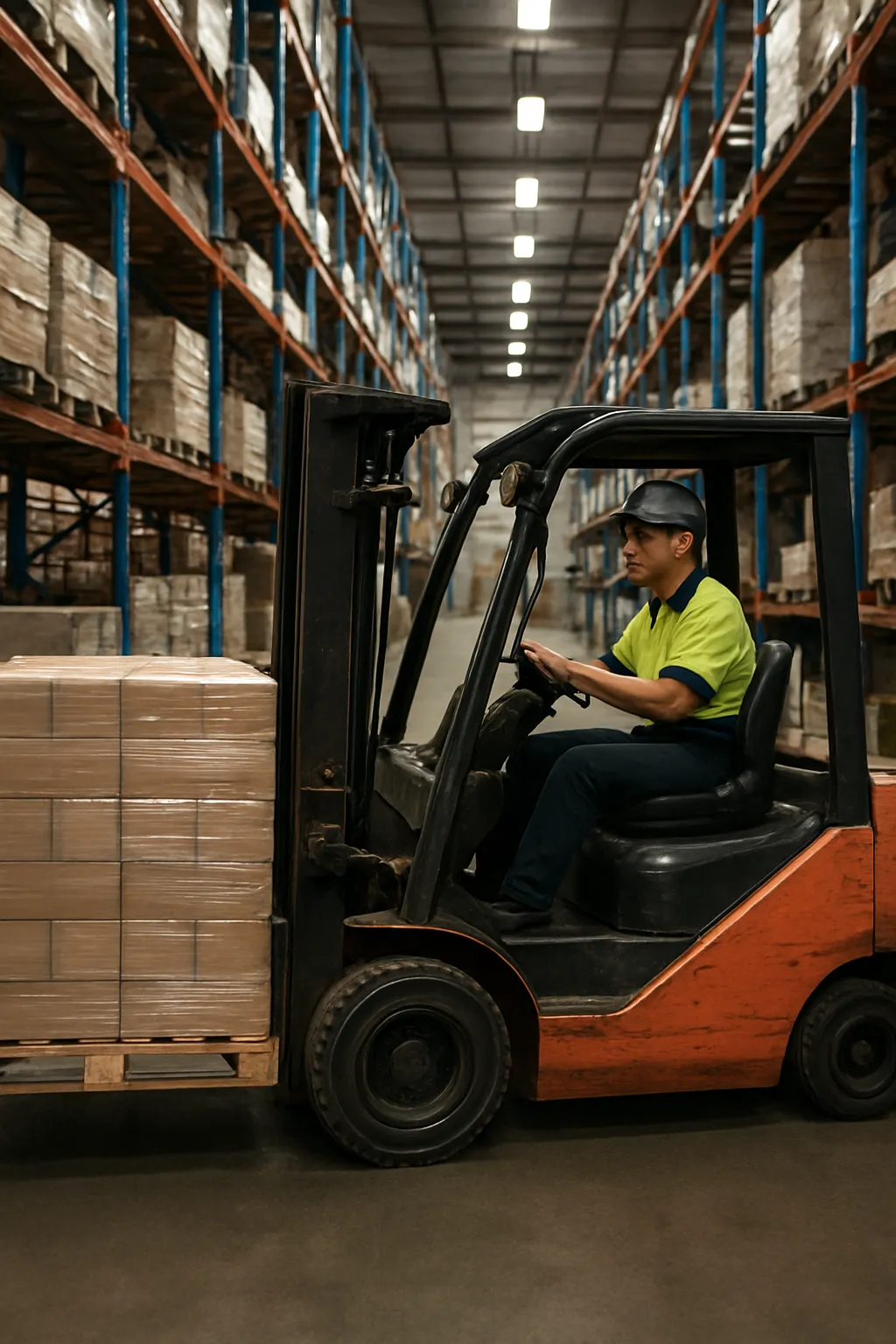
The break-even point is primarily a utilization and total-cost question. The following process provides a practical first comparison.
Estimate operating hours
Calculate how many hours the forklift is expected to work each week, month, and year. Avoid counting the time it is merely available or parked on site.
Calculate the rental total
Multiply the rental rate by the expected term and add delivery, pickup, insurance, damage waivers, excess-hour charges, and any excluded service costs.
Calculate ownership cost
Add the purchase or financing cost, maintenance, repairs, insurance, storage, inspections, and expected downtime. Then subtract the estimated resale value.
Basic comparison formulas
Use the same ownership period and estimated operating hours for both calculations. Otherwise, the comparison will not reflect the true cost per productive hour.
What Costs Are Commonly Missed?
The purchase price is only one part of ownership. The rental rate is also only one part of renting. Include the following costs before deciding:
- Loan interest and financing fees
- Routine preventive maintenance
- Unexpected mechanical repairs
- Annual inspections and compliance work
- Insurance and damage liability
- Battery, charger, tire, and attachment costs
- Storage and secure parking
- Equipment delivery and relocation
- Downtime while the forklift is unavailable
- Expected trade-in or resale value
How Annual Utilization Affects the Answer
A commonly used planning benchmark places the rental-versus-ownership decision around 1,500 to 2,000 operating hours per year. Below that range, rental flexibility may remain attractive. Above it, repeated rental payments may begin to exceed the long-term cost of ownership.
This range is not a universal rule. Local rental rates, equipment class, financing terms, maintenance requirements, age, fuel type, and resale value can move the actual break-even point substantially.
| Estimated annual use | Likely starting point | What to verify |
|---|---|---|
| Occasional or seasonal use | Rental is usually worth evaluating first. | Minimum rental period, delivery charges, availability, and seasonal rates. |
| Moderate but inconsistent use | Compare long-term rental, leasing, and used-equipment ownership. | Expected contract duration, downtime risk, and maintenance coverage. |
| Approximately 1,500–2,000 hours | Run a detailed break-even calculation. | Financing, maintenance history, residual value, and actual cost per hour. |
| Heavy and predictable use | Ownership or leasing may produce a lower long-term cost. | Replacement cycle, service capacity, utilization stability, and resale value. |
The forklift cost and pricing guide provides additional context for evaluating equipment classes, manufacturer considerations, and long-term purchasing decisions in Canada.
A Middle Option: Rent-to-Own or Long-Term Leasing
A business does not always have to choose between month-to-month rental and an immediate purchase. Rent-to-own and long-term leasing can provide predictable payments while preserving more working capital.
Long-term rental
Provides equipment for an extended period while maintenance and service may remain part of the rental arrangement.
Equipment lease
Spreads payments across a defined term and may include purchase, return, or renewal options at the end.
Rent-to-own
May apply part of the rental payments toward eventual ownership, depending on the provider and contract structure.
Before accepting any alternative arrangement, review the total payments, end-of-term purchase amount, maintenance responsibility, hour limits, early termination conditions, and equipment return requirements.
A Practical Forklift Decision Checklist
Rental is more likely to fit when:
- Demand is seasonal or temporary.
- The project duration is uncertain.
- Annual operating hours are relatively low.
- Cash needs to remain available for other expenses.
- The business wants maintenance support included.
- Equipment specifications may change.
Buying is more likely to fit when:
- Usage is steady and predictable.
- The forklift will remain productive for several years.
- The operation can manage repairs and maintenance.
- Specialized attachments or modifications are required.
- The business values resale or trade-in potential.
- Total ownership cost is lower over the planned period.
The Bottom Line
Rent when forklift demand is seasonal, unpredictable, temporary, or too low to justify owning an underused asset. Buy when the equipment will work consistently for several years and the complete cost of ownership is lower than the cost of continuously renting.
The best decision usually becomes clear after calculating cost per productive hour. Compare the same equipment class over the same period, include every major expense, and subtract realistic resale value from the ownership total.
Forklift Rental vs. Buying FAQ
Is it cheaper to rent or buy a forklift?
It depends on annual utilization, rental pricing, financing, maintenance, equipment age, and resale value. Renting may cost less for seasonal or low-use requirements, while buying may produce a lower long-term cost for steady, multi-year use.
How long can you rent a forklift?
Rental providers commonly offer daily, weekly, monthly, and long-term arrangements. Longer commitments may have a lower effective daily or monthly cost, but the contract should be reviewed for hour limits, maintenance coverage, delivery charges, and early return conditions.
Does forklift rental include maintenance?
Many standard rental agreements include routine maintenance and mechanical service. Coverage varies, and damage caused by misuse, accidents, unauthorized repairs, or improper operation may remain the renter's responsibility.
What is the break-even point between renting and owning a forklift?
A planning benchmark of approximately 1,500 to 2,000 operating hours per year is sometimes used as a starting point. The actual break-even point must be calculated using local rental rates, financing, maintenance costs, equipment type, planned ownership period, and expected resale value.
Should a growing business rent or buy its first forklift?
Renting can reduce risk when future volume, equipment requirements, and project duration remain uncertain. Once utilization becomes stable and predictable, the business can compare purchasing, leasing, and rent-to-own options using actual operating data.
Should resale value be included in the calculation?
Yes. Estimated resale or trade-in value reduces the forklift's effective ownership cost. Use a conservative estimate based on the machine's expected age, operating hours, maintenance history, condition, equipment class, and market demand.
Compare the Full Cost Before You Commit
Estimate annual operating hours, calculate the complete rental cost, calculate the complete ownership cost, and include realistic maintenance and resale assumptions. A cost-per-hour comparison can help prevent both unnecessary rental spending and an expensive underused purchase.